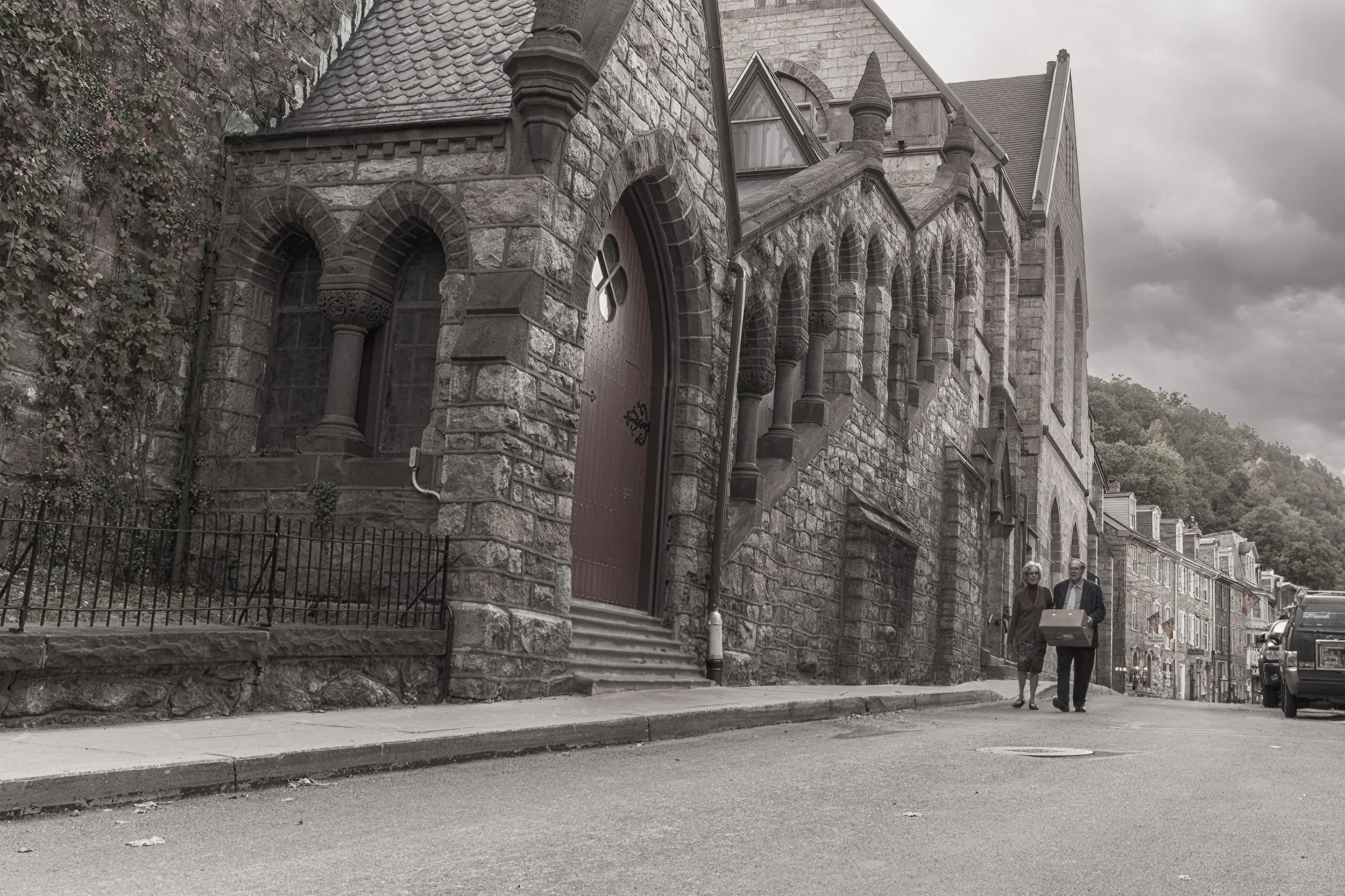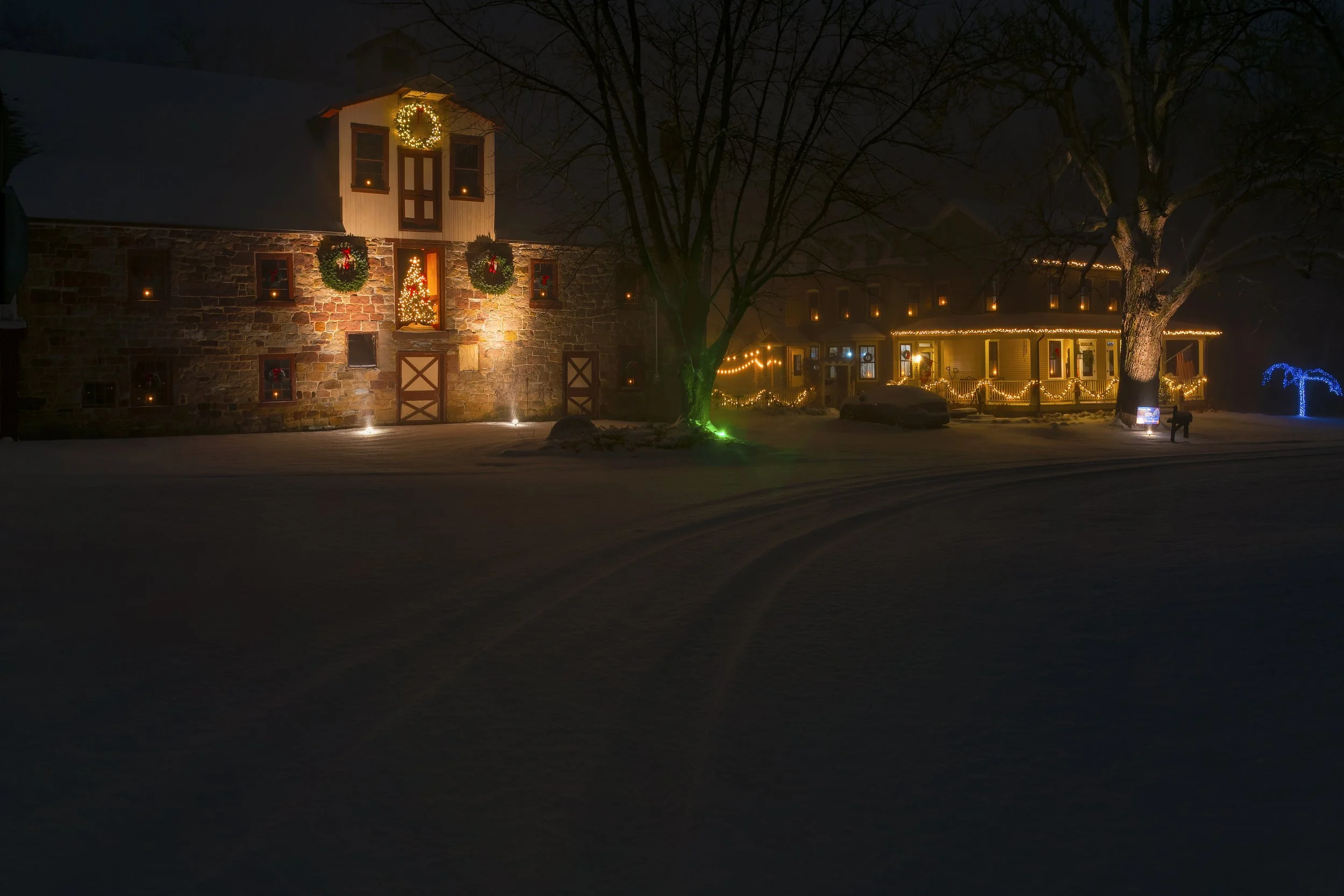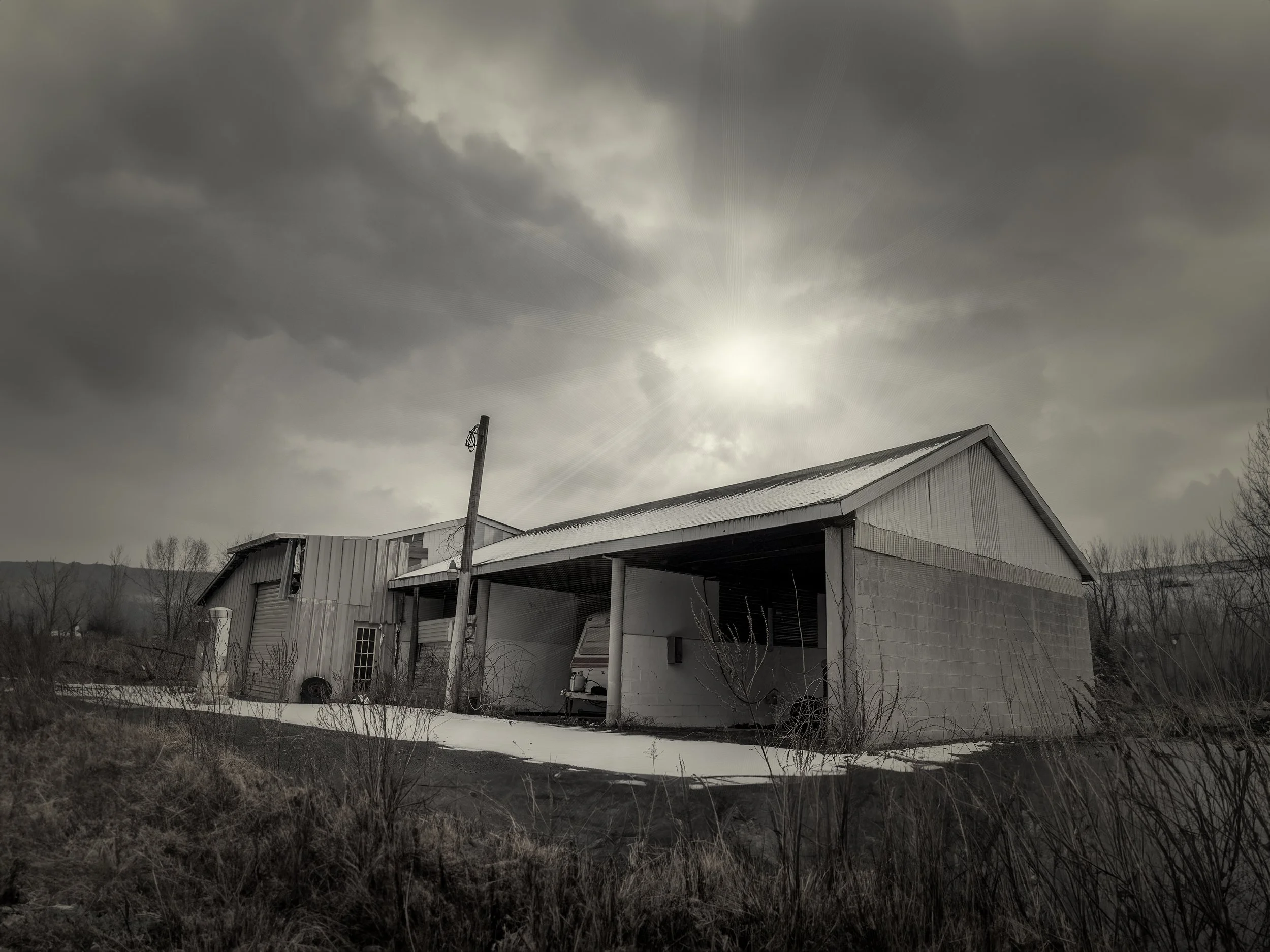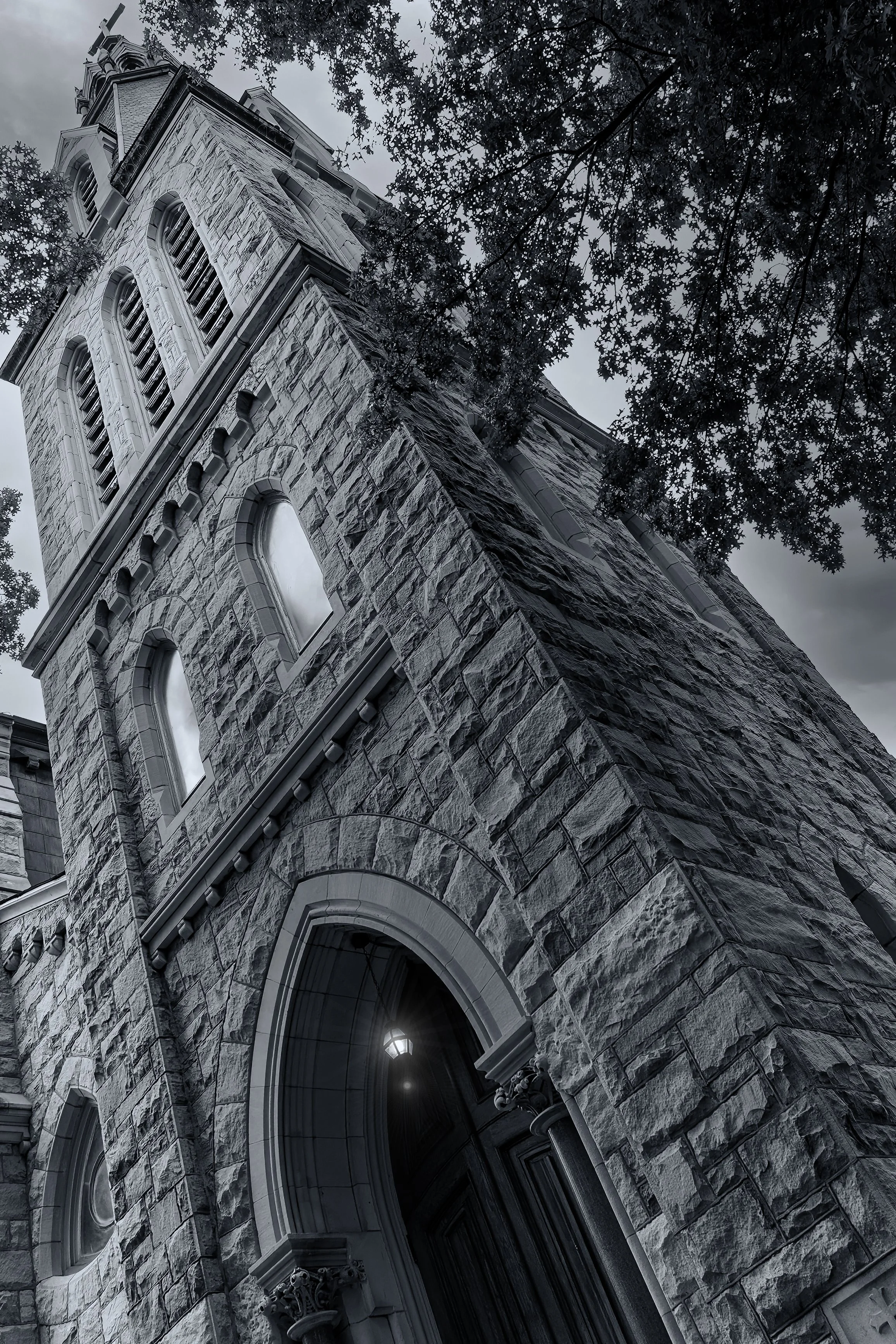
Architecture
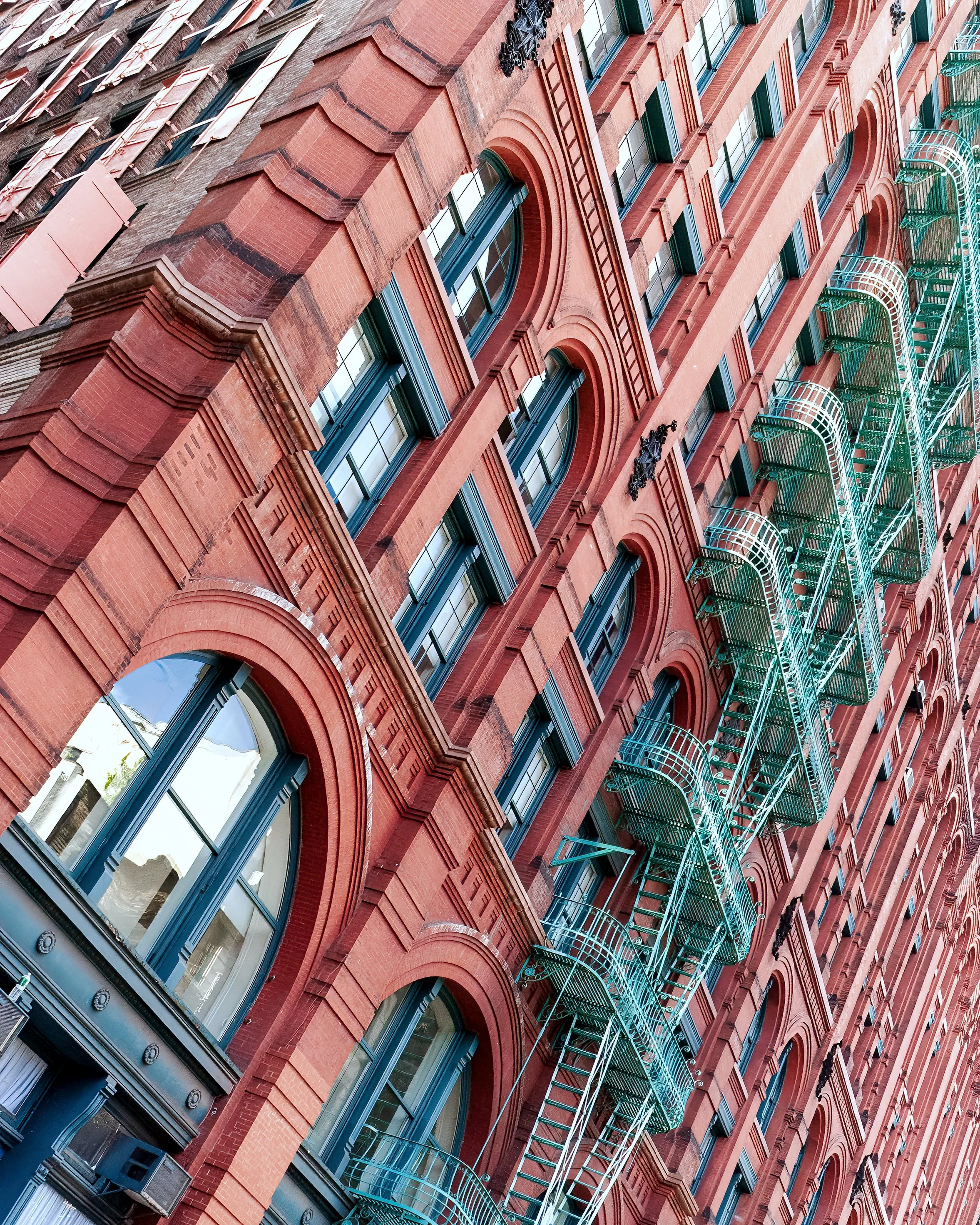
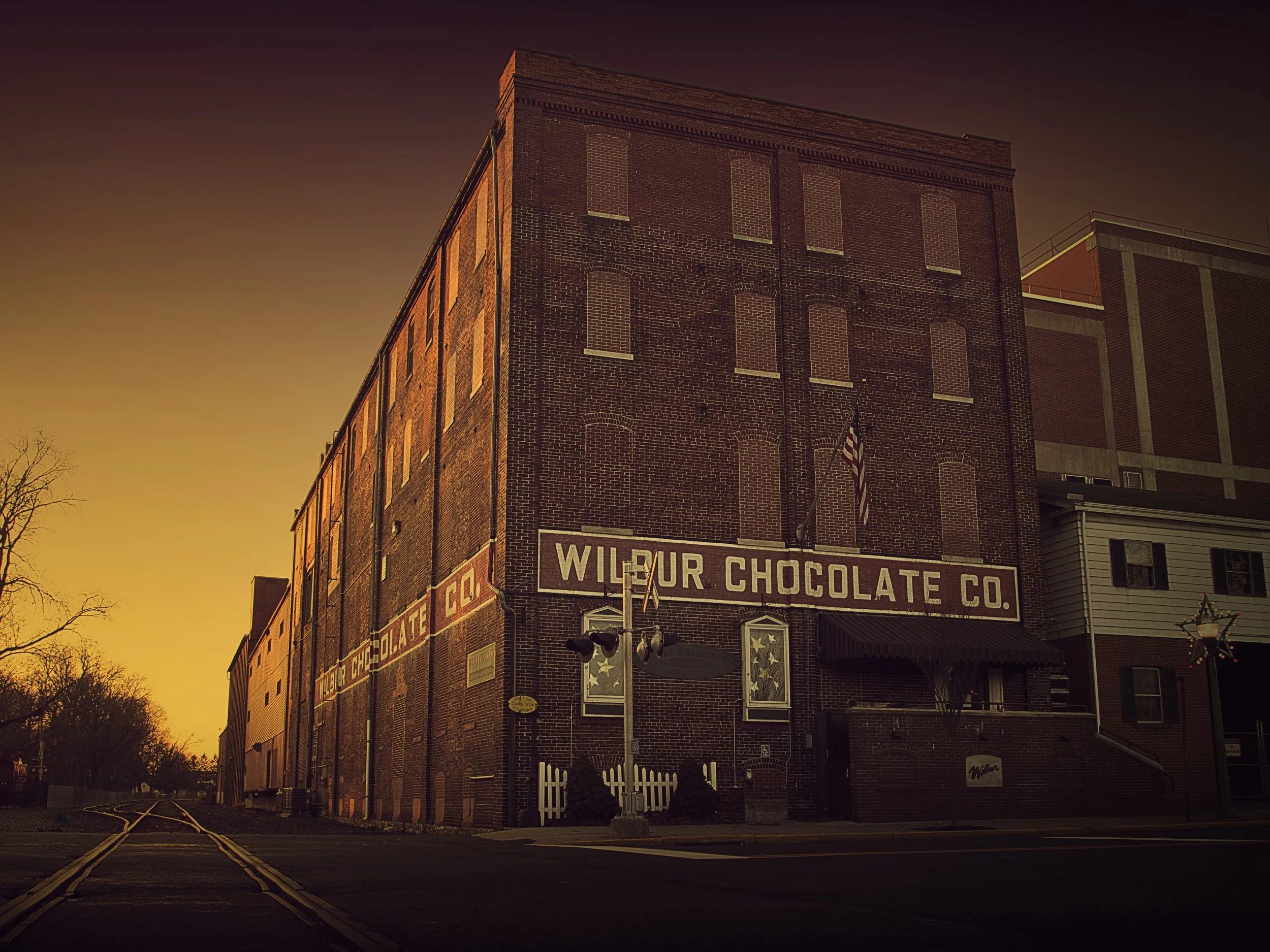
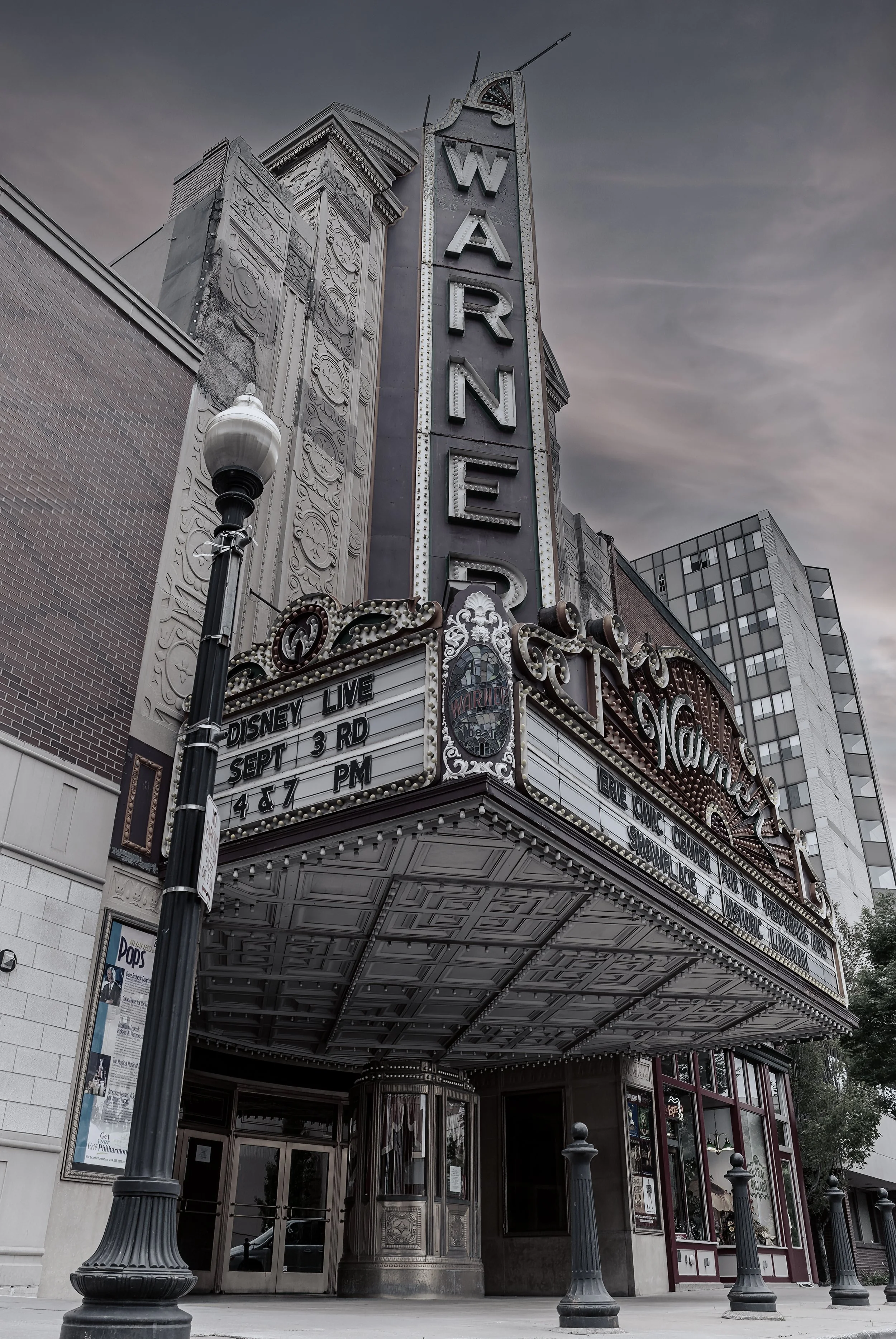
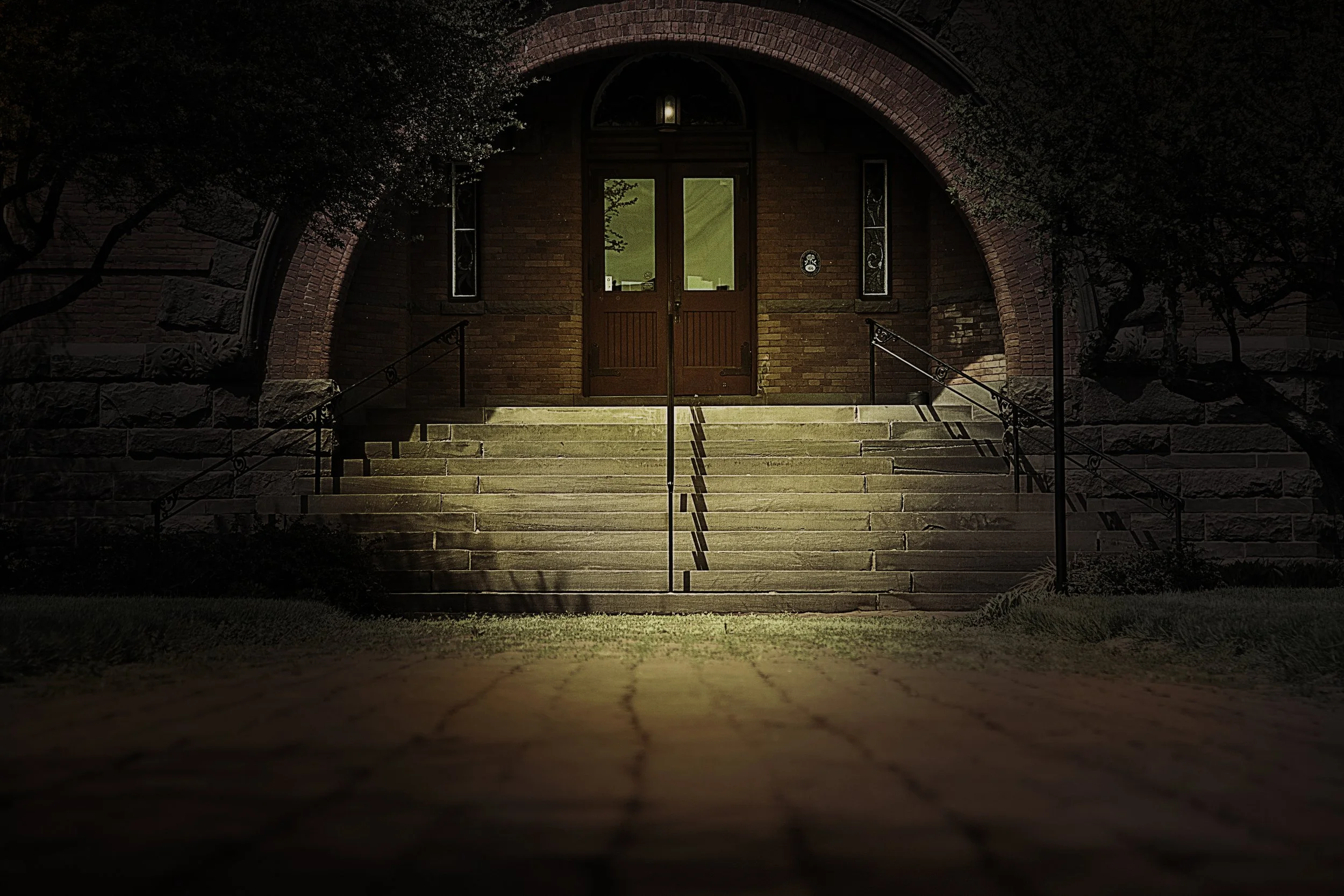
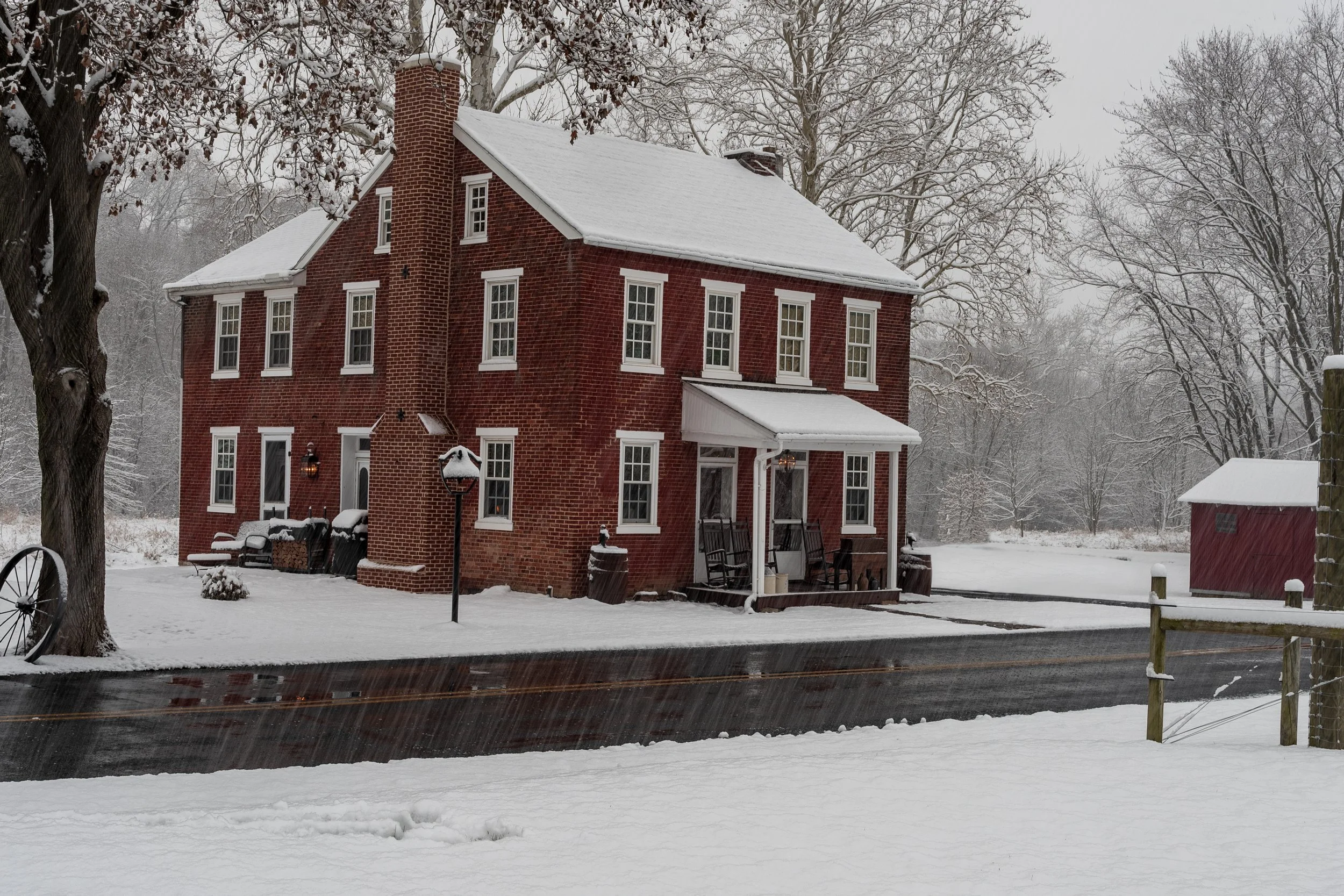
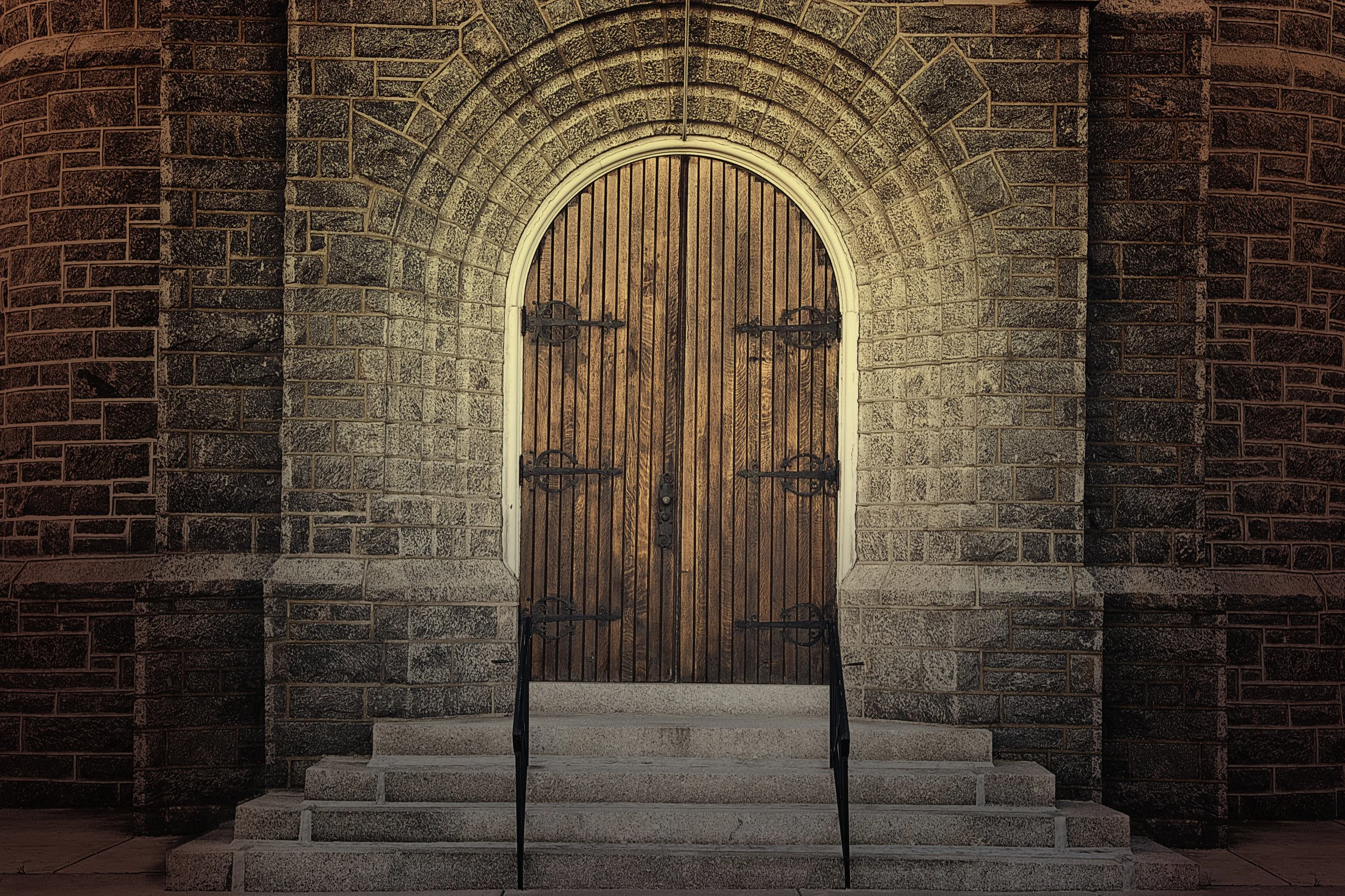
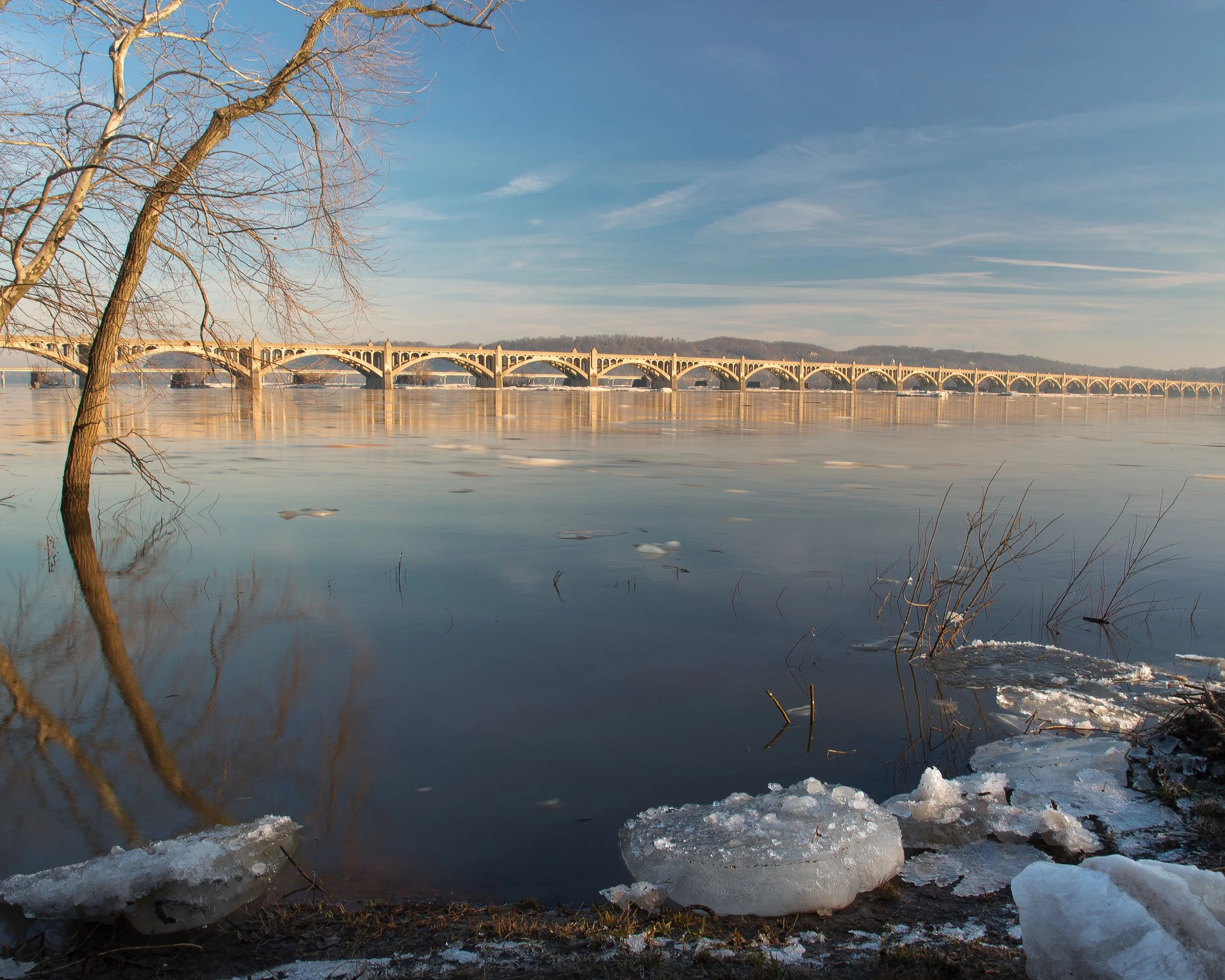
Photographing architecture is a discipline that blends technical precision with artistic restraint. Unlike concerts or live events, nothing is moving, yet the challenge lies in controlling perspective, light, and geometry. Every line matters. Vertical edges must remain straight, proportions must feel accurate, and composition needs to respect the structure’s design intent. Even a slight tilt or distortion can undermine the image, so careful positioning becomes essential.
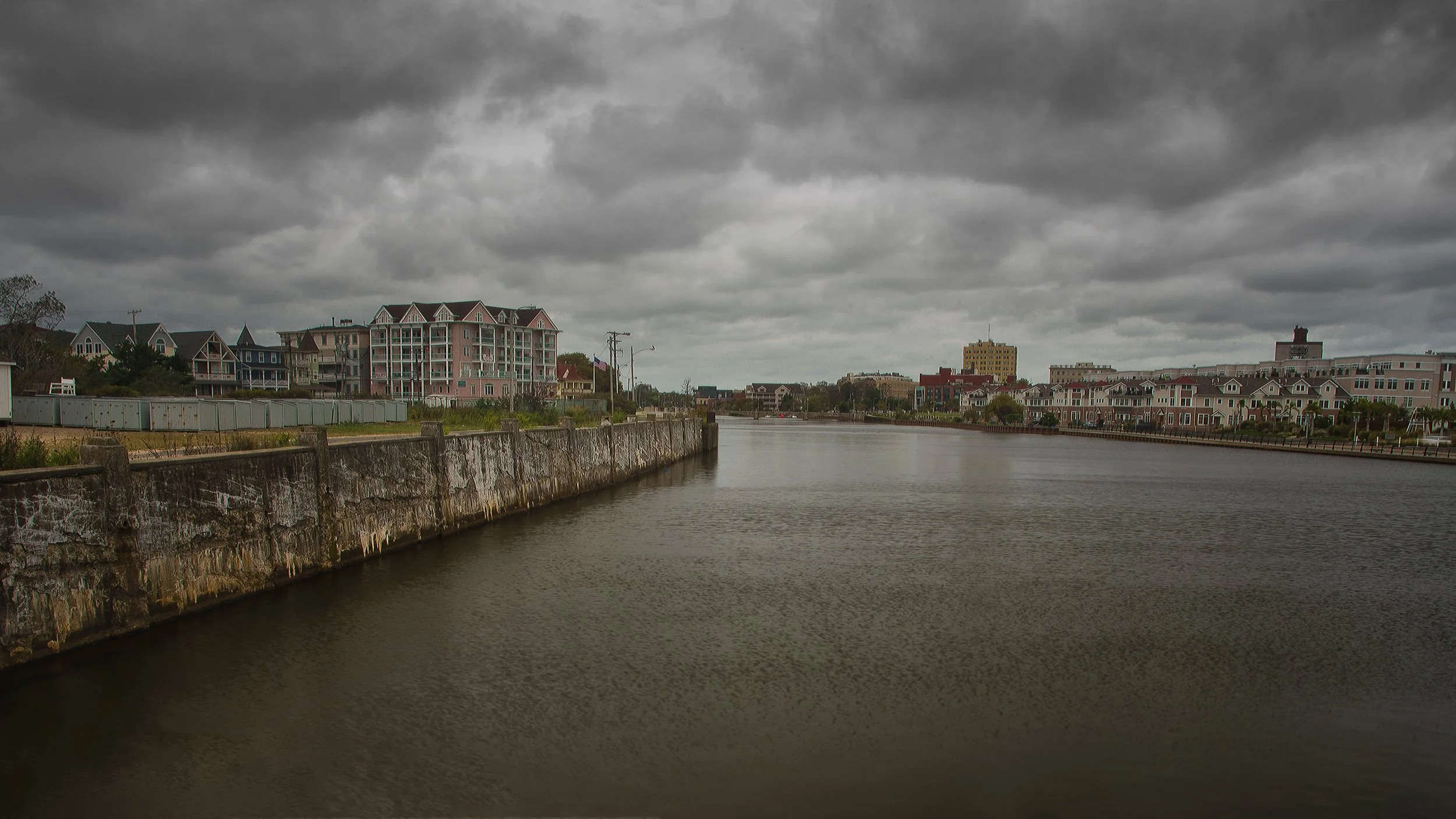
Light is your greatest collaborator and your greatest obstacle. Natural light can dramatically transform a building throughout the day: soft morning light reveals texture, harsh midday light emphasizes form and shadow, and blue hour creates atmosphere and contrast between interior and exterior illumination. Waiting for the right moment is often part of the craft. Weather, reflections, and surrounding elements also play a role, and sometimes the most time-consuming work involves removing distractions or finding angles that isolate the structure from visual clutter.
What makes architectural photography deeply rewarding is the ability to interpret space. You’re not just documenting a building—you’re translating three-dimensional form into a compelling two-dimensional image. When done well, the photograph can feel both precise and expressive, honoring the architect’s vision while adding your own perspective. It’s a slower, more deliberate process than many other genres, but that patience often leads to images that feel timeless and intentional.